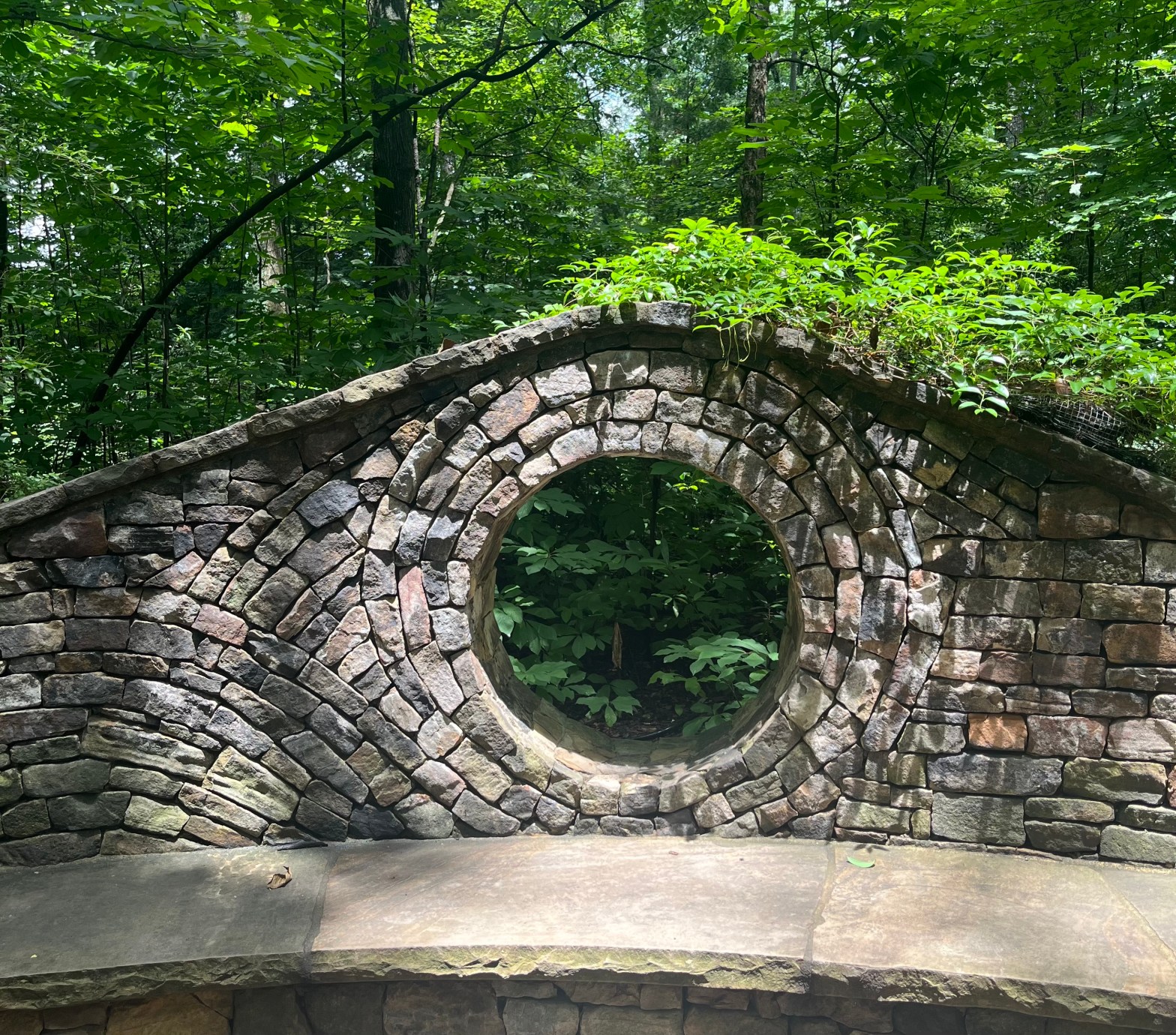
Have you ever noticed how spending time in nature seems to instantly shift something inside you? Maybe your shoulders relax, your breath deepens, or your thoughts begin to settle down.
This is more than just coincidence… it’s the pull of biophilia, the innate human tendency to seek connection with nature and other forms of life.
The term biophilia describes our deep, instinctive bond with the natural world. The way the sunlight, trees, animals, and open air seem to nourish something essential in us. When we nurture this connection, we feel more alive, balanced, and at peace. When we ignore it, disconnection, anxiety, and imbalance often follow.
Modern researchers in eco-psychology explore this relationship between human well-being and natural environment, showing how our mental, emotional, and physical health are directly impacted by the state of the Earth. When we harm nature, we harm ourselves. When we take care of her, we heal, too.
Sound familiar? Ayurveda has been teaching this truth for thousands of years.
Ayurveda: The Mother Science of Living in Harmony
The word Ayurveda comes from Sanskrit: “Ayur” meaning life, and “Veda” meaning knowledge, wisdom, or truth.
Ayurveda = The Science of Life
It’s one of the world’s oldest systems of holistic healing from India. Teaching us not only how to live in balance with our own inner nature, but also with Mama Nature herself.
While many think of Ayurveda as the sister science to yoga, it’s actually the mother. The foundation from which yoga was born. Ayurveda guides us in the how of living: what time of day to wake, what kind of movement or meditation to practice, what foods and herbs to support balance for our unique constitution, and how to align with the rhythm of the planets and seasons.
In this way, Ayurveda could be seen as an ancient form of eco-psychology because it recognizes that our personal environment (our body) and the outer environment (Mother Nature) are reflections of one another. Living in harmony with one is living in harmony with both.
In eco-psychology, tending to a garden or walking barefoot in the soil is an act of therapy. In Ayurveda, it’s dinacharya: a daily rhythm of caring for body, mind, and spirit in alignment with nature’s cycles.
Living According to Nature’s Rhythms
Ayurveda teaches that everything from time of day to the season of the year carries specific energies. The morning’s calm, kapha energy supports slow, grounding movement; the midday pitta heat is best for focus and productivity; and the vata flow of the evening invites creativity and introspection.
When we align our daily routines with these natural rhythms – waking with the sunrise, eating our biggest meal at midday, and winding down at dusk – we live in sync with the same patterns that govern the natural world. Our systems begin to regulate themselves and this is biophilia in practice.
Honoring the biological and spiritual pull to align with our ecosystem, rather than fight against it.
A Modern Return to Ancient Wisdom
Our modern world often pulls us indoors, into artificial light and overstimulation. But the call to reconnect with nature is growing louder among wellness research, mental health practices, and holistic healing traditions.
Ayurveda gives us a timeless framework that reminds us that balance comes from returning to nature through out routines, our food, our breath, and our awareness.
When we return to Earth, we return to ourselves.

 Enlightened Escape